


“I may construct steps in rehearsal, but once it's showtime, the movement is in the performers' ownership and they give it to the audience; it's like a gift that keeps on giving.”
By way of introduction, could you tell us about you and your background in choreography?
I took a liking to choreography from the beginning of my dance
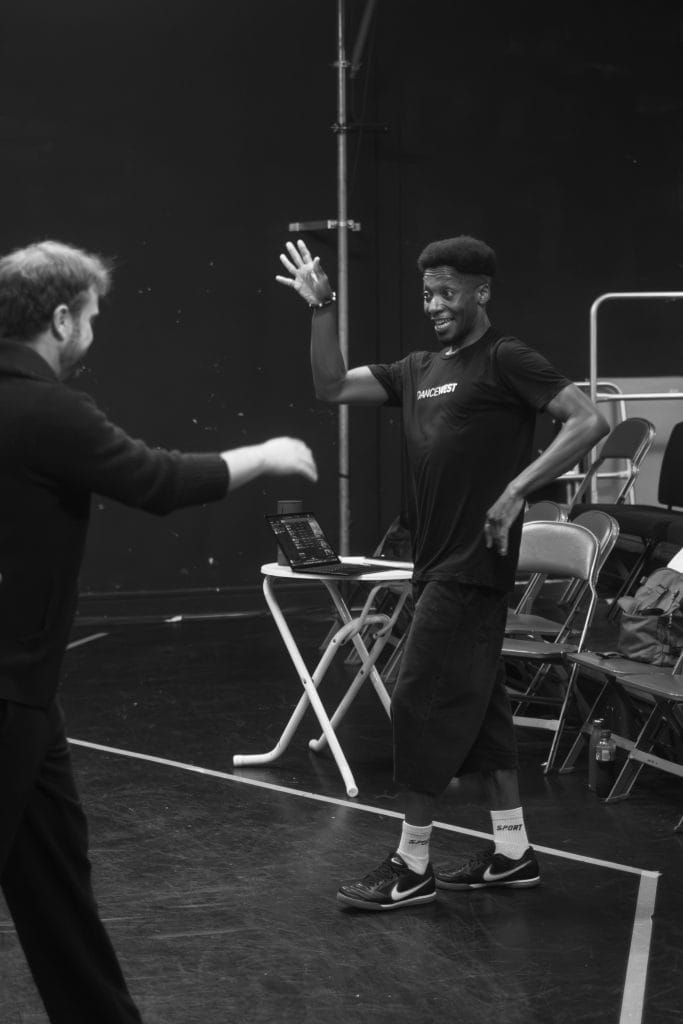
journey and before formal dance training, working with Universal Records and their artists development team just before starting dance school, I have continued to work on choreographic projects within the last 8 years of my creative career most recently working with Primary Shakespeare Company, The Place and Camden and Westminster Council on choreographic projects. I have done choreography and movement direction for the following OVO productions: Merry Wives of Windsor, Midsummer Nights Dream and Great Gatsby.
What was your first show and how did it lead to professional work?
My first time choreographing was when I was in Primary School for a production of ‘Top of the Pops’ where I was given the opportunity to choreograph all the dances, I continued to go to drama classes after this taking a BTEC in Drama which lead me in to Dance, I set up a youth dance company in my local area, a producer saw us rehearsing and my first professional gig was choreographing and movement direction for a Hair and Beauty Show.
Could you talk us through the aspects of a show that influence your creative process?
Physical storytelling and physicalisation of characters influence me when getting into the creative process. I ask myself ‘what is this moment trying to say?’ Keeping in communication with the director, Musical Director and Vocal coach are also key to getting feedback and observations from their lenses so the right intention and performance to the context of each song is clear and executed to its full capacity. I also take inspiration from the sets and props as these are physical elements that can provide more details and points of interest for both performer and audience.
Where do you find your influences for the authentic styles of the 1920s and 1960s eras this year?
When it comes to period dance steps and authenticity, video is my best friend, as I am able to study the steps as well as get a sense of the energetic cultural context of the period. I also have been fortunate to work with choreographers who were present in the era or who specialise in the dance forms from the 20’s and 60’s such as lindy-hop, Jazz and Tap. Also, dance is very transferable in its forms as a lot of today’s modern steps have origins from dance styles of the early 1900s, so even through modern steps I can work my way backwards to their origins or earlier interpretations.
What are some challenges of choreographing for the Roman Theatre?
Challenges of working in an outdoor theatre or spaces include weather from rain, wind and heat. Sometimes there could be sound issues, and from my lens, changing lighting. In a traditional indoor theatre space lighting is controlled and can be another element that enhances the choreography, with an outdoor space I try to create images and sequences that are effective with or without lighting and as the lighting changes throughout the evening and season. I really enjoy the roman theatre for its historical context, also being outdoors and close to the elements is a great way to experience theatre as it encapsulates your senses in a different way and also provides a beautiful backdrop for the productions. I also really value the sustainable aspects of the Roman Theatre.
What is the best part of your job and why?
People are the best part of my job. I love helping facilitate physical storytelling and the journey performers take from day one of rehearsals till the last show. I love working in collaboration with people as it means I have to show up with my full self and ideas whilst simultaneously growing and taking in to consideration other elements outside or my wheel-house. I also love when choreography starts to sit and live in a performer’s body. I may construct steps in rehearsal, but once it’s showtime, the movement is in the performers’ ownership and they give it to the audience; it’s like a gift that keeps on giving. There is also something special about seeing a seed of an idea come into full physical realisation in
front of you which brightens my heart every time.
Do you have any advice for aspiring choreographers?
For any budding choreographers, start developing a relationship with your moving body and the world around you, choreography is an art form and a response. Find out what your own movement vocabulary is, then start to learn other vocabularies/genres so you have a treasure chest of steps and tools you can work from. Watch shows and analyse them, watch how people move from day to day – what was effective? What did you enjoy and why? Imagine what your interpretation could look like, find opportunities to choreograph and be inspired by other works, but don’t compare yourself; there is room and need for many interpretations!
As You Like It is being performed at the OVO Roman Theatre Festival until 22nd August in St Albans. For bookings, please click the link below.